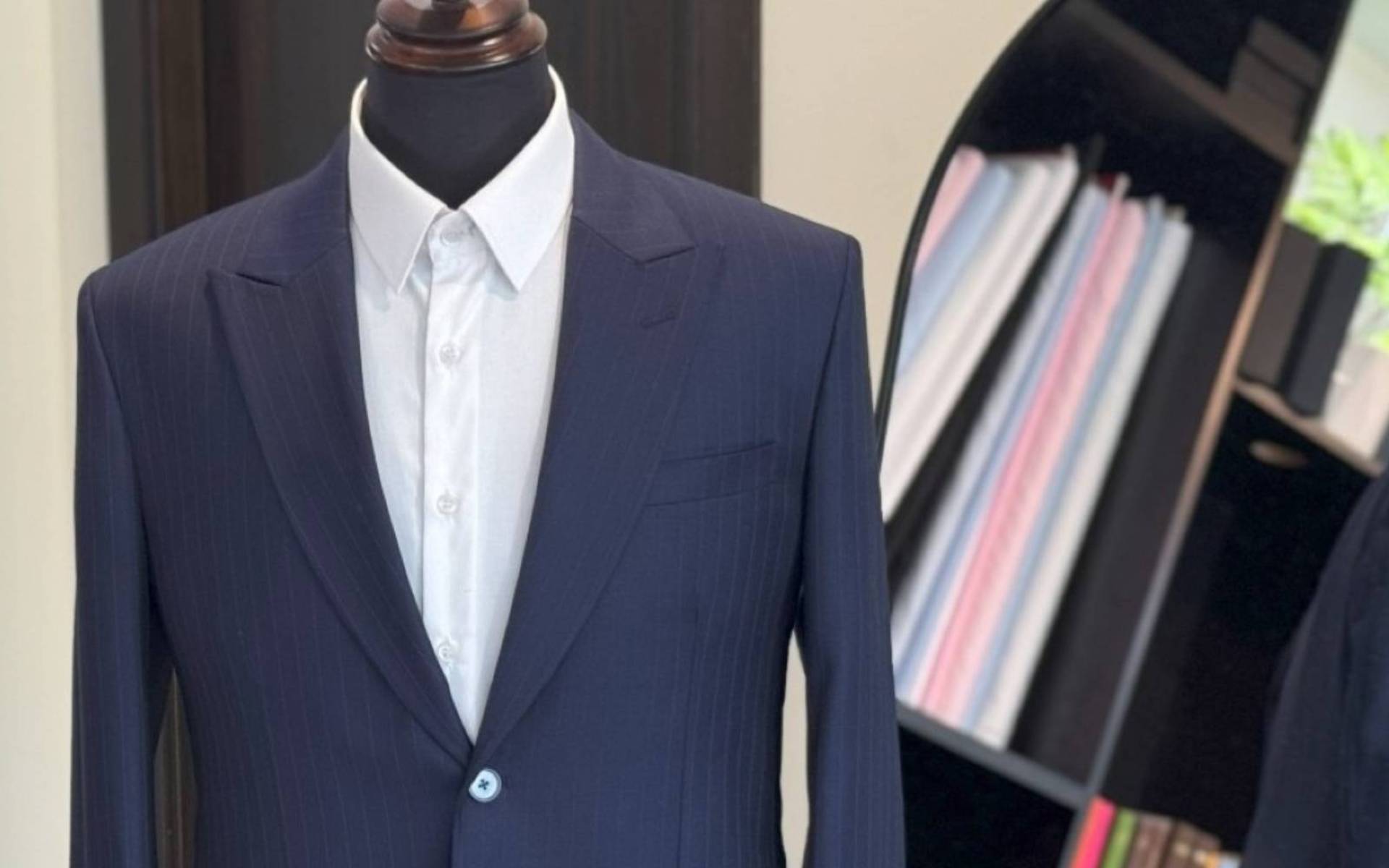
Your wedding suit deserves the same attention as your vows. Yet most grooms treat it as an afterthought, squeezed between venue bookings and catering decisions. This approach breeds disappointment.
True bespoke suiting operates on its own timeline. At House of Tailors, traditional bespoke suits require 3 to 4 weeks to complete, shaped by the tailor's craft and the precision each fitting demands. Made-to-measure options move faster—typically 10-14 days from first measurement to final garment. Complex requirements extend these timelines naturally. The wise groom schedules that first appointment at least a month or two ahead.
Wedding planning tempts you toward haste. But your suit—the armor you'll wear during your most photographed moment—demands patience. Tailoring experts recommend ordering bespoke suits at least 3 months before your wedding date. Some suggest beginning inspiration gathering 8-12 months ahead. Because proper suiting requires multiple fittings to achieve true fit.
This is about more than measurements and deadlines. It's about understanding that your wedding suit reflects the same values as your marriage itself. Intention over impulse. Craft over convenience.
What follows is your roadmap to sartorial confidence—from first consultation to final stitch.
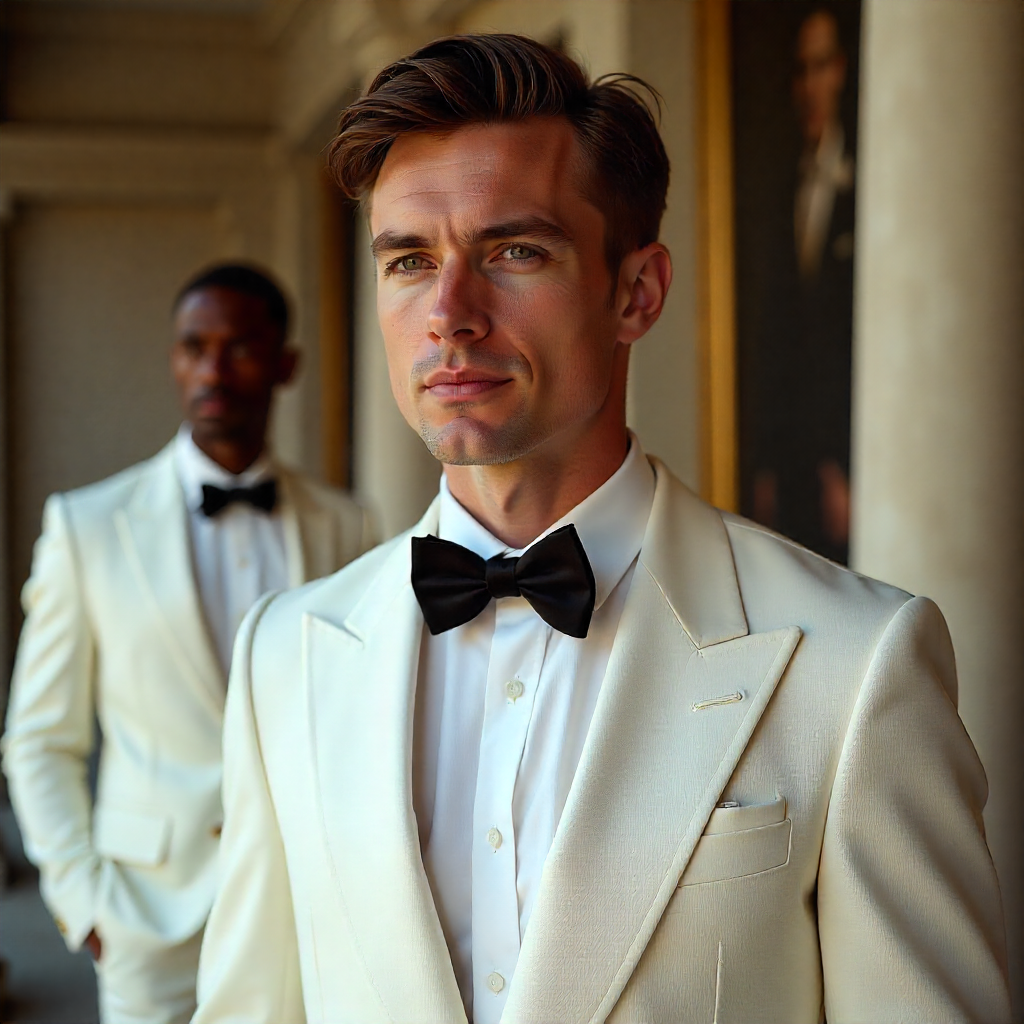
Your Wedding Suit Timeline: Month by Month
The discipline of proper timing becomes practice. Here's how intention translates into action.
8-12 months before the wedding begins with observation, not shopping. Collect inspiration from magazines, films, and social media. This early exploration establishes your style preferences and ensures alignment with your partner's attire. Study. Don't decide.
6-9 months before, schedule consultations with suit specialists you trust. This period serves as the ideal opportunity to align your suit concept with venue, season, and overall wedding aesthetic. Bring your partner. Two perspectives sharpen one vision.
4-6 months before marks the commitment phase. Visit reputable tailors to select fabrics, discuss adjustments, and finalize your ensemble. Order a sample to test fit and feel before committing fully. Touch the fabric. Feel the weight. Trust your instincts.
3 months before the wedding, coordinate with your groomsmen. Schedule group fittings to ensure visual consistency across the wedding party while allowing for subtle personalization. Most tailors recommend this timeframe to accommodate everyone's schedules. Unity doesn't require uniformity.
4-6 weeks before, plan for final adjustments. This buffer provides adequate time for any unexpected alterations, ensuring sleeve length, trouser break, and overall balance are perfected. Furthermore, this timeline eliminates stress during final wedding preparations.
Each phase serves a purpose. Each deadline protects your vision.
Preparation Builds Precision
The right preparation separates excellent fittings from disappointing ones. Your tailor can only work with what you provide.
Wear the actual shoes you plan for your wedding. Trouser break and drape depend entirely on heel height and shoe shape—details that determine whether your suit looks tailored or off-the-rack. Choose a fitted dress shirt that mirrors your wedding day selection, avoiding loose or casual options that create false measurements.
Accessories shape the final garment. French cuffs require different sleeve allowances than barrel cuffs. Thick cufflinks demand specific spacing. Thin dress socks provide accurate measurements where athletic socks add bulk.
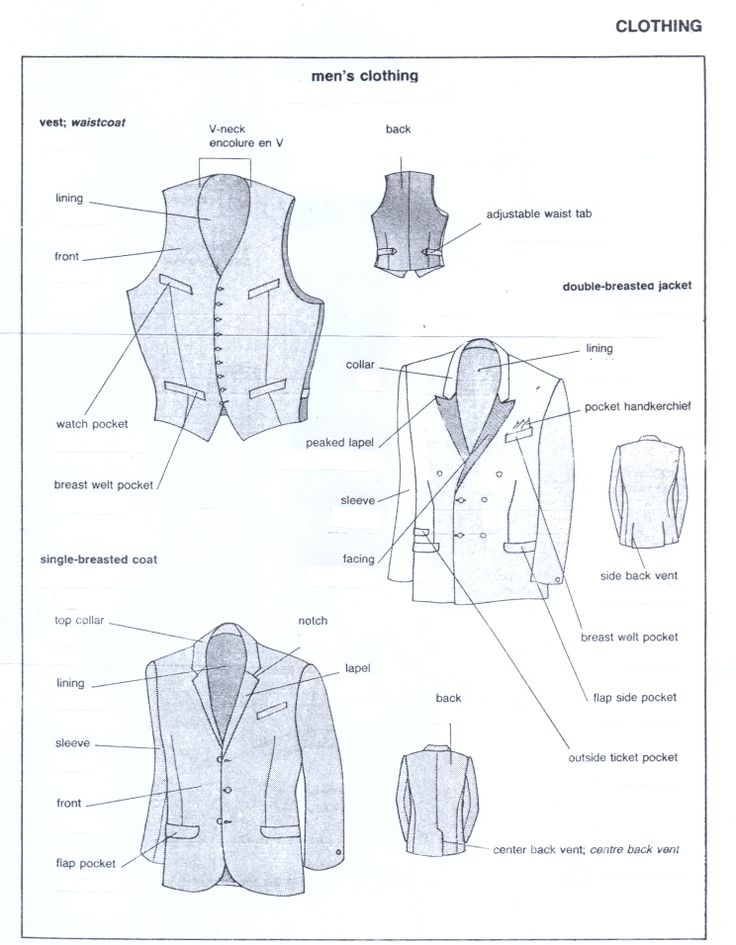
Communication requires clarity. Understand these terms before your appointment:
- Break: How trouser legs meet your shoes
- Lapel styles: The fold of fabric on your jacket front
- Vents: Slits in the jacket back for movement
- Canvas construction: The internal structure that gives your suit shape
Season guides fabric choice. Flannel and tweed serve winter weddings well. Superfine wool and linen suit warmer occasions. Communicate honestly about fit preferences. Discomfort during fittings signals problems on your wedding day.
Test your suit completely. Walk, sit, dance if possible. Your wedding demands hours of movement. The fitting room reveals what photographs cannot capture.
A proper fitting requires your active participation. Come prepared. Your tailor will deliver precision.
Source: Pinterest
Why Time Builds Confidence
Rushed decisions create regrettable compromises. Early planning doesn't just follow a timeline—it transforms your entire suiting experience.
Starting early grants access to fabrics, styles, and customization options that simply disappear as wedding seasons peak. Rather than accepting whatever remains available, you enjoy true choice. Exclusive styles, premium fabrics, seasonal collections—all become accessible when you plan ahead.
Beginning 6-9 months early enables thorough exploration of suit options that align with both your taste and your wedding's character. This timeframe allows for the multiple fittings essential to achieving proper fit across shoulders, chest, and legs. Each fitting builds upon the last. Each adjustment perfects the silhouette.
Early planners experience something invaluable: calm. Instead of frantic appointments squeezed between other wedding tasks, you enjoy unhurried consultations. Your tailor can focus entirely on your needs. This atmosphere produces better decisions.
Most importantly, securing your wedding attire early eliminates anxiety. With this major element resolved, you gain mental space for other wedding details. The suit becomes one less worry in an already complex process.
Early planning ultimately creates confidence—that quality that photographs can't capture but everyone notices. Because when you know your suit fits perfectly, you carry yourself differently.
This confidence becomes part of your wedding day presence. And presence, not just appearance, makes the lasting impression.

The Wedding Suit as Identity
Early planning creates more than convenience. It creates confidence.
Most grooms who regret their wedding attire share one common mistake—they treated their suit as a purchase rather than an investment in their identity. Quality tailoring cannot be rushed because quality itself resists shortcuts. The perfect wedding suit requires meticulous attention, from fabric selection to final stitch.
Your wedding suit represents something deeper than formal wear. It embodies how you choose to present yourself during one of life's defining moments. This is why preparation matters—not just timing, but intention. Bringing proper shoes, fitted shirts, and understanding basic tailoring terminology helps your tailor create a garment that truly serves you.
Wedding days carry enough uncertainty without adding wardrobe anxiety. When you've planned properly, your suit becomes one less concern and one more source of confidence. You'll move through your ceremony knowing every detail has been considered, every line perfected.
Because your wedding suit isn't about fashion. It's about the discipline of choosing permanence over trends. Quality over convenience. And the understanding that true style—like true commitment—requires patience to achieve.
The grooms who look back on their wedding photos with pride didn't just buy a suit. They invested in their presentation of self. They understood that some things are worth waiting for.