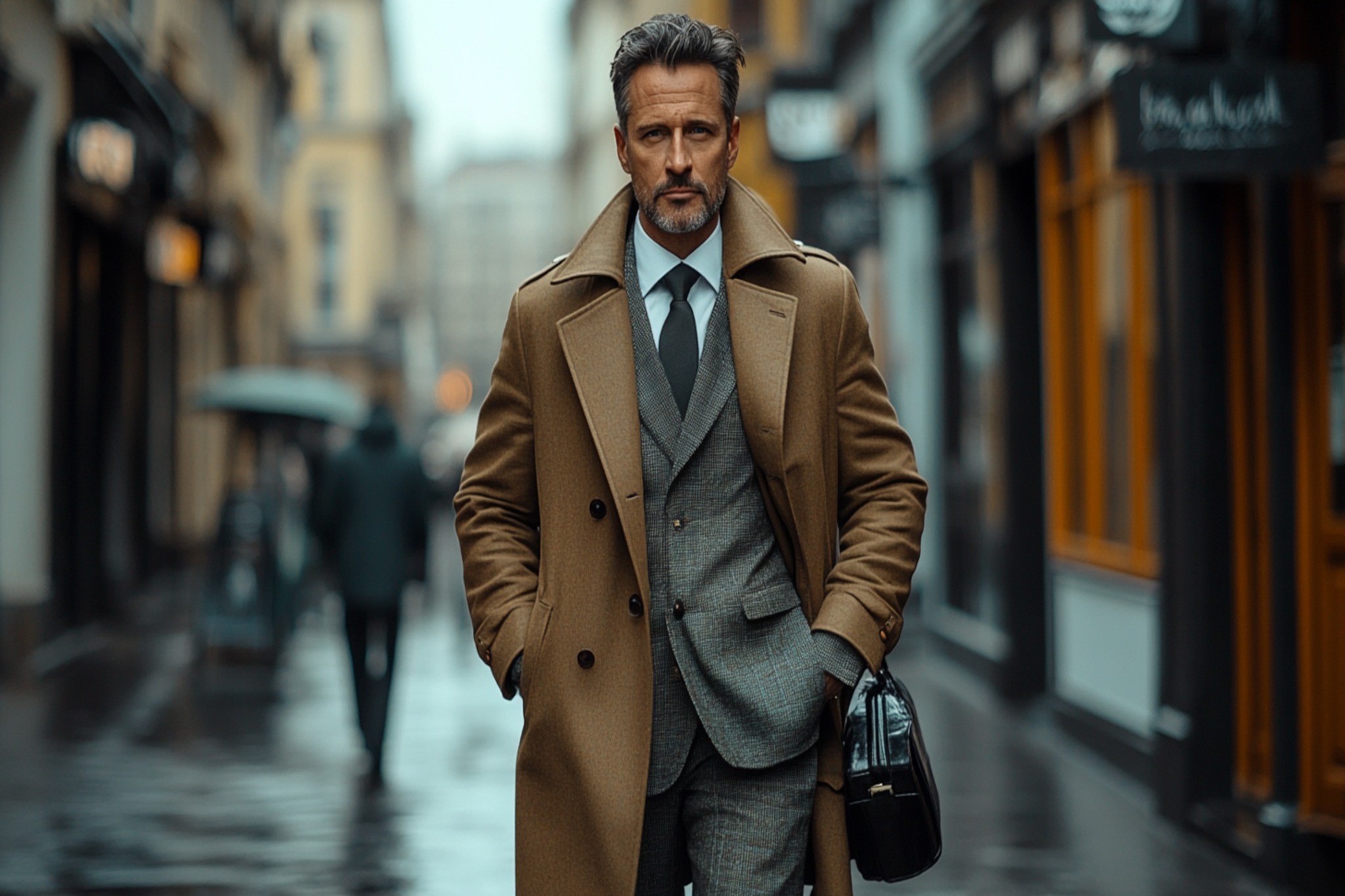
A suit that works perfectly for a business meeting in Dubai may not be the most practical choice for a December morning in London.
In Dubai, business dressing often revolves around lightweight fabrics, breathable construction, and moving between air-conditioned offices and warm outdoor environments. In London, the same professional might spend the day navigating cold streets, rain, heated offices, underground stations, and evening business dinners.
The challenge isn't simply dressing for colder weather. It's adapting your wardrobe to different temperatures without compromising your professional appearance or travelling with unnecessary luggage.
For UAE-based executives who regularly travel between Dubai, London, and other European business destinations, a well-planned wardrobe can make these transitions considerably easier.
From choosing the right suit fabrics to layering overcoats and packing efficiently, here's how to prepare your business travel wardrobe for winter.
1. Why Your Dubai Business Suit May Not Be Enough for London
Dubai and London present very different dressing challenges during November, December, and January.
In Dubai, outdoor temperatures are generally comfortable during winter, and many professionals continue wearing lightweight wool suits throughout the season.
London, however, can experience temperatures in the single digits, frequent rain, strong winds, and occasionally freezing conditions.
A tropical wool suit that feels comfortable in Dubai may provide insufficient insulation when walking between meetings in London.
However, this doesn't mean you need an entirely separate collection of heavy winter suits.
The more practical solution is to understand how fabric, construction, and layering work together.
A versatile wool suit combined with an appropriate overcoat and knitwear can often accommodate both climates.
For professionals investing in custom business suits in Dubai, considering international travel requirements during fabric selection can make the wardrobe considerably more useful.
2. Choose Suit Fabrics That Work Across Different Climates
Fabric is one of the most important considerations when planning a winter business trip.
The ideal material should maintain its shape during travel, feel comfortable indoors, and work effectively with additional layers outdoors.
Midweight wool: A versatile option
For professionals travelling regularly between Dubai and London, midweight wool is often one of the most practical choices.
A fabric around 260–320 GSM can offer a useful balance between structure, comfort, and seasonal versatility, although the weave and construction matter as much as the weight.
Midweight wool provides more substance than very lightweight tropical wool without necessarily feeling excessive in heated offices.
It also drapes well, making it suitable for formal meetings and business events.
High-twist wool: Useful for frequent travellers
High-twist wool is worth considering if your schedule involves long flights, extended meetings, and frequent movement.
The tightly twisted yarns can offer good crease recovery, helping trousers and jackets maintain their appearance after sitting for several hours.
However, high-twist wool isn't automatically warmer. Many high-twist fabrics are designed specifically for warm-weather tailoring.
If you're travelling to London in winter, choose the fabric based on its overall weight, weave, and intended use rather than the high-twist label alone.
Flannel: A winter option
Wool flannel is a classic choice for colder business environments.
Its softly brushed surface gives the fabric a distinctive texture and can provide greater warmth than lighter open-weave materials.
A charcoal or mid-grey flannel suit works particularly well for London business meetings during winter.
However, it may feel too warm for regular outdoor use in Dubai.
For executives who travel to colder destinations frequently, a dedicated flannel suit can be a worthwhile addition.
Wool blends
Wool blended with cashmere can provide a softer feel and additional warmth, depending on the composition.
These fabrics can be attractive for winter jackets and overcoats, although durability and maintenance should also be considered.
For a frequently worn travel suit, a durable pure wool fabric may be more practical than a delicate luxury blend.
A tailor's advice: Don't choose a winter business suit based on fabric weight alone. Consider how much time you'll spend outdoors, whether your meetings are indoors, and how easily the fabric recovers after travel.
3. The Overcoat Is Often More Important Than the Suit
One of the most common mistakes UAE-based travellers make is purchasing heavier suits when what they actually need is a suitable overcoat.
A well-designed overcoat allows you to continue wearing many of your existing business suits while adapting to colder weather.
For London business travel, consider three main styles.
The classic wool overcoat
A single-breasted wool overcoat in navy, charcoal, or camel is one of the most versatile winter investments.
It can be worn over a business suit during the day and styled with knitwear or tailored separates during the evening.
For formal business environments, navy and charcoal are particularly dependable choices.
The double-breasted overcoat
A double-breasted overcoat offers greater coverage across the chest because of its overlapping front panels.
It can provide a more substantial appearance and is particularly suitable for executives who prefer traditional tailoring.
However, it should still allow enough room for a suit jacket underneath without restricting movement.
The raincoat or trench coat
London's winter weather isn't always extremely cold, but rain and wind can be persistent.
A water-resistant trench coat or tailored raincoat can be more useful than a heavy wool overcoat on milder, wet days.
For frequent travellers, having access to both a warm overcoat and a weather-resistant outer layer provides greater flexibility.
When choosing an overcoat, try it on over an actual suit jacket rather than over a shirt. This helps ensure the shoulders, chest, and sleeves accommodate the additional layer comfortably.
4. Layering Without Making Your Suit Look Bulky
Layering is essential for winter travel, but too many layers can distort the fit of a tailored jacket.
A suit designed to fit closely over a shirt may feel restrictive if you suddenly add a thick sweater underneath.
The solution is to choose thin, effective layers.
Fine-gauge merino wool
A lightweight merino wool sweater can provide additional warmth without adding excessive bulk.
A crew-neck sweater works well with more relaxed business outfits, while a fine-gauge V-neck can be worn over a shirt and tie when appropriate.
Cashmere knitwear
Cashmere offers warmth with relatively little weight, making it useful for travel.
A fine-gauge cashmere sweater can be worn beneath an overcoat or with tailored trousers for less formal meetings.
Thermal base layers
For particularly cold days, a thin thermal layer beneath a shirt may provide more comfort than wearing a heavy sweater under a fitted jacket.
Choose a style that remains discreet beneath the shirt and doesn't interfere with the collar or cuffs.
The key is maintaining the suit's intended silhouette.
If you regularly wear knitwear beneath your business jackets, mention this during your bespoke tailoring consultation so the fit can accommodate your preferred layering.
5. What Should You Wear on the Flight?
A seven-to-eight-hour flight between Dubai and London can leave a suit looking creased before the first meeting even begins.
For this reason, wearing your most formal suit during the journey isn't always the best decision.
If you're travelling directly to a meeting, choose a suit made from fabric with good crease recovery.
A navy high-twist wool suit, comfortable dress shirt, and appropriate footwear can work well for this situation.
However, if you have time to change after arrival, consider travelling in tailored trousers, a fine-gauge knit, and a comfortable jacket.
Your formal business suit can remain packed until you reach your hotel.
For professionals who travel frequently, separating travel outfits from meeting outfits can reduce wear on their most important business clothing.
6. How to Pack a Suit Without Excessive Creasing
Packing a tailored jacket incorrectly can create deep folds that are difficult to remove without professional pressing.
For short business trips, a garment bag may be the most convenient option, particularly when travelling with more than one suit.
If you're using a suitcase, a careful jacket fold can help reduce pressure on the shoulders and lapels.
Consider these packing practices:
- Place heavier items such as shoes at the bottom of the suitcase.
- Use shoe bags to protect your clothing.
- Fold jackets carefully rather than compressing them tightly.
- Pack trousers along their existing creases.
- Keep shirts in packing folders where possible.
- Avoid overfilling the suitcase.
Once you arrive, remove your suits from the luggage and hang them on appropriately shaped hangers.
Minor travel creases may relax naturally. For more persistent creasing, professional pressing or careful steaming may help, depending on the fabric and construction.
Avoid applying excessive heat directly to wool, particularly around the lapels and chest.
7. Build a Three-Day Business Travel Wardrobe
For a three-day trip to London involving meetings, networking, and a formal dinner, you don't necessarily need three separate suits.
A practical wardrobe might include the following.
Day one: Client meetings
A navy wool suit, white shirt, dark tie, black or dark brown leather shoes, and a charcoal overcoat.
This combination works well for formal meetings and can transition into an evening business dinner.
Day two: Internal meetings and networking
A mid-grey suit or navy blazer with charcoal trousers, paired with a light-blue shirt.
Depending on the dress code, the tie can be optional.
Day three: Presentations and travel
A charcoal suit with a pale-blue shirt and understated tie, or tailored trousers with a fine-gauge merino sweater for a less formal schedule.
For a three-day trip, two suits, four shirts, one overcoat, and a small selection of accessories can cover most business requirements.
The objective is to create multiple combinations from a limited number of pieces.
This approach is particularly useful when building a capsule business wardrobe for men who travel internationally.
8. Shoes Matter More Than You Think in London
Footwear is another area where Dubai business dressing may need adjustment.
In Dubai, polished leather loafers and lightweight dress shoes are practical for many professional environments.
London's winter weather can make thin leather soles less suitable, particularly during wet conditions.
For business travel, consider leather Oxford or Derby shoes with discreet rubber soles that provide better traction and weather resistance.
A dark brown Derby can work with navy and grey suits, while black Oxfords remain appropriate for formal meetings.
If you'll be walking frequently, ensure the shoes have already been worn comfortably before the trip.
Avoid travelling with brand-new leather shoes that haven't been broken in.
For wet weather, shoe care also becomes important. Allow leather footwear to dry naturally away from direct heat, and use appropriate conditioning products when necessary.
9. What About Scarves, Gloves, and Other Winter Accessories?
Winter accessories should complement your professional wardrobe rather than make it unnecessarily complicated.
A wool or cashmere scarf in navy, charcoal, camel, or grey can work with several suits and overcoats.
Leather gloves provide warmth while maintaining a formal appearance.
For business travel, it's generally better to choose accessories that coordinate with multiple outfits rather than packing separate items for every suit.
A charcoal scarf, for example, can complement navy, grey, and black outerwear.
For particularly cold conditions, a suitable hat may also be practical during outdoor travel, although it can be removed before entering formal meetings.
These additions may seem minor, but they can make a considerable difference when moving between London offices, hotels, and transport stations.
10. How Should Your London Business Wardrobe Differ From Your Dubai Wardrobe?
The biggest difference should be in fabric selection and layering rather than the overall formality of your clothing.
In Dubai, a typical business wardrobe may prioritise lightweight wool, breathable construction, and jackets that remain comfortable in warmer conditions.
In London during winter, the same wardrobe may require midweight wool, flannel, knitwear, weather-resistant footwear, and an appropriate overcoat.
However, there is considerable overlap.
A well-made navy wool suit can work in both cities, especially when the fabric is selected for versatility.
The goal is to avoid maintaining two completely separate wardrobes when a smaller number of carefully chosen pieces can serve both environments.
For clients investing in bespoke suits in Dubai, explaining your travel schedule to your tailor is particularly valuable.
A suit intended exclusively for Dubai may require different fabric and construction choices from one designed for regular travel between the UAE and Europe.
11. When Should You Consider a Dedicated Winter Suit?
Not every business traveller needs a dedicated winter suit.
If you visit London once or twice a year for short meetings, your existing midweight suits combined with suitable outerwear may be sufficient.
However, if you spend several weeks each winter in London or frequently travel to colder European destinations, investing in one or two winter-specific suits may make sense.
A charcoal flannel suit is a particularly versatile option.
It works for formal meetings, conferences, dinners, and many professional occasions.
A navy midweight wool suit can serve as a second option, providing flexibility across different business environments.
Rather than commissioning several heavy suits, start with one that addresses a genuine gap in your wardrobe.
12. Why Fit Becomes Even More Important During Winter
Layering introduces additional considerations that are often overlooked during suit fittings.
A jacket that fits perfectly over a lightweight shirt may feel restrictive when worn with knitwear.
Similarly, an overcoat that fits well over a sweater may become uncomfortable when layered over a structured suit jacket.
When planning a winter wardrobe, pay particular attention to:
Shoulder fit: The overcoat should accommodate the suit jacket without excessive pulling or bunching.
Chest allowance: There should be enough room for comfortable movement when wearing multiple layers.
Sleeve length: Overcoat sleeves should provide suitable coverage over the jacket sleeves.
Jacket balance: Additional layers shouldn't cause the jacket to pull upward or distort around the chest.
Trouser fit: Winter travel often involves more walking, making comfortable trouser rise and movement particularly important.
With custom tailored suits in Dubai, these considerations can be incorporated during the design and fitting process.
13. Preparing Your Wardrobe Before the Winter Travel Season
November is a practical time for UAE-based professionals to review their winter business wardrobes.
Before your next trip, inspect your existing suits for wear, check whether your overcoat still fits properly, and identify any missing essentials.
If you're commissioning a new suit, allow sufficient time for consultation, fabric selection, fittings, and final adjustments.
At House of Tailors, made-to-measure suits typically require approximately 10–14 days, while full bespoke suits generally take 3–4 weeks, depending on the design and fitting requirements.
Starting early is particularly useful when planning business travel around December holidays and year-end commitments.
14. Business Travel Tailoring With House of Tailors
At House of Tailors, we work with professionals who need their wardrobes to perform across different business environments, climates, and travel schedules.
Whether you're looking for a versatile navy business suit, a dedicated winter suit, tailored trousers, or custom shirts, our team can assist with fabric selection, fit, and styling based on how you actually use your wardrobe.
For executives travelling between Dubai and London, a consultation can help identify which existing pieces remain suitable and which additions would make the greatest difference.
Our services include bespoke tailoring in Dubai, custom business suits, personal styling, wardrobe consultations, and home and office tailoring appointments.
House of Tailors serves clients in Dubai, Abu Dhabi, Sharjah, and Riyadh, with London consultations available by appointment.
Bespoke suits start from AED 3,950, with pricing depending on the fabric, design, and construction.
Final Thoughts
Travelling from Dubai to London during winter doesn't require an entirely new business wardrobe.
It requires a more considered approach to fabric selection, layering, outerwear, and packing.
A versatile midweight wool suit, a properly fitted overcoat, suitable footwear, and a few carefully chosen accessories can make the transition between climates considerably easier.
For frequent travellers, the most valuable wardrobe investments are often those that work across multiple destinations rather than serving only one occasion.
If you're planning your winter business travel wardrobe, get in touch with House of Tailors today for a free stylist consultation and explore custom tailoring options suited to your professional lifestyle.
WhatsApp UAE: +971 50 937 2696
WhatsApp KSA: +966 50 765 9013